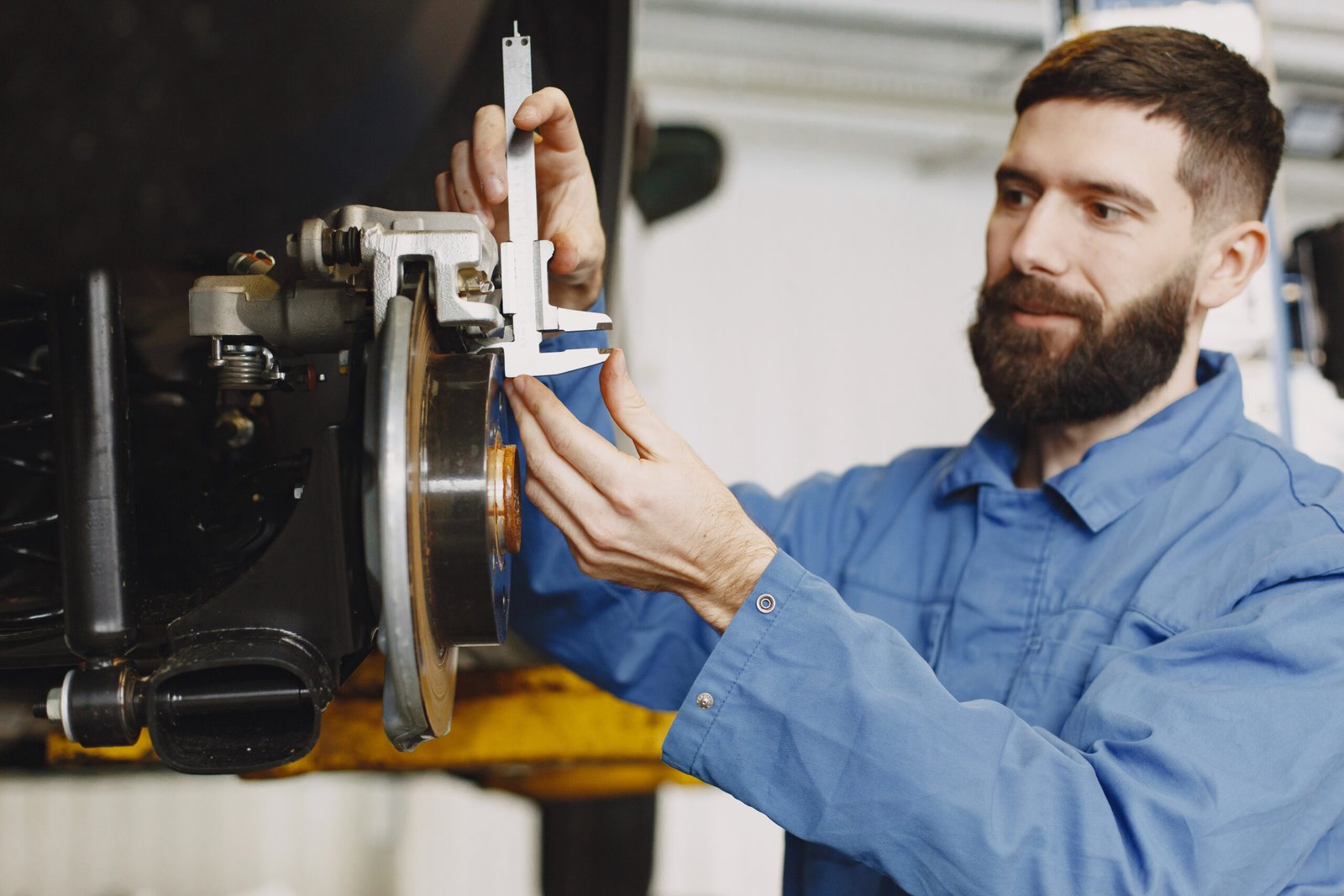

Runner’s knee, medically known as patellofemoral pain syndrome, is a common overuse injury affecting the knee joint, particularly among runners, cyclists, and active individuals. Pain often arises from irritation of the kneecap, tight quadriceps, or friction along the iliotibial (IT) band. Doorstep runner’s knee relief focuses on reducing pain, improving mobility, and strengthening supporting muscles to restore knee function safely at home.
For professional guidance and structured recovery programs, you can explore 출장 for expert-backed resources.
Understanding Runner’s Knee
Runner’s knee is characterized by pain around or behind the kneecap. Repetitive stress from running, jumping, or cycling causes misalignment or increased pressure on the patellofemoral joint. Symptoms typically include:
-
Pain behind or around the kneecap
-
Swelling or tenderness along the knee
-
Discomfort when walking up or down stairs
-
Popping or grinding sensations in the knee
Early intervention helps prevent chronic knee issues and long-term mobility problems.
Causes and Risk Factors
Runner’s knee often develops due to:
-
Overuse or sudden increases in training intensity
-
Tight quadriceps, hamstrings, or IT band
-
Weak hip or glute muscles leading to poor knee alignment
-
Improper footwear or running surfaces
-
Biomechanical abnormalities such as overpronation
Individuals with a history of lower limb injuries are at higher risk for recurrence.
Licensed IT Band & Quad Expert Approach
Professional care focuses on relieving pain, correcting muscle imbalances, and restoring knee stability. Typical steps include:
1. Activity Modification
-
Reduce high-impact activities like running or jumping
-
Substitute with low-impact exercises such as swimming or cycling
-
Use supportive footwear or knee sleeves to offload stress
2. Pain and Inflammation Management
-
Ice therapy applied to the knee for 15–20 minutes, multiple times daily
-
Gentle massage or myofascial release to the IT band and quadriceps
-
Anti-inflammatory strategies as recommended by licensed professionals
3. Stretching and Flexibility
Tight quadriceps and IT band contribute significantly to knee pain. Recommended stretches include:
-
Standing IT band stretch
-
Seated or standing quadriceps stretch
-
Hamstring stretches to support overall lower limb flexibility
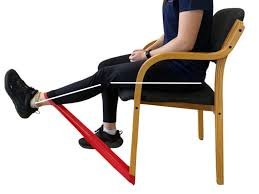
4. Strengthening Exercises
Strengthening key muscle groups restores alignment and reduces stress on the knee:
-
Hip and glute activation exercises
-
Quadriceps strengthening via controlled squats and lunges
-
Core stability exercises to improve overall lower limb biomechanics
Eccentric strengthening of the quadriceps is especially beneficial in reducing patellofemoral stress.
5. Balance and Functional Training
Balance and proprioception exercises enhance knee stability and prevent reinjury:
-
Single-leg balance drills
-
Step-ups or lateral step exercises
-
Controlled dynamic movements mimicking sport-specific activity
Supportive Footwear and Orthotics
Proper footwear and equipment reduce knee stress:
-
Cushioned shoes with adequate arch support
-
Custom orthotics for biomechanical correction
-
Avoiding worn-out shoes during recovery
These adjustments redistribute forces across the knee joint and surrounding tissues.
Gradual Return to Activity
A structured, progressive return-to-activity plan is critical:
-
Begin with low-impact exercises and pain-free mobility
-
Gradually reintroduce short-duration running or cycling
-
Increase intensity and duration incrementally
-
Resume full training only when completely symptom-free
Monitoring pain and swelling ensures a safe and sustainable return to activity.
Nutrition and Recovery
Nutrition plays a role in tendon, ligament, and muscle recovery:
-
Adequate protein to repair tissue
-
Anti-inflammatory foods to reduce swelling
-
Vitamins and minerals such as calcium and vitamin D for joint support
-
Proper hydration to enhance circulation and healing
A balanced diet supports overall musculoskeletal health.
Monitoring and Professional Oversight
Regular follow-up with licensed experts ensures rehabilitation is on track. Persistent pain, swelling, or altered movement patterns should prompt professional re-evaluation. For structured guidance and detailed rehab protocols, 출장 provides reliable resources.
Preventing Future Runner’s Knee
Preventive measures include:
-
Gradually increasing training intensity and mileage
-
Regular stretching and strengthening for quadriceps, IT band, and glutes
-
Using supportive footwear and replacing worn shoes
-
Cross-training to reduce repetitive stress
-
Listening to early pain signals and adjusting activity accordingly
Consistent preventive care reduces recurrence risk and maintains long-term knee health.
Final Thoughts
Doorstep runner’s knee relief through licensed IT band and quadriceps experts focuses on pain reduction, mobility restoration, and muscle strengthening. Combining professional guidance with at-home care ensures safe, effective recovery and long-term joint stability.
For expert-backed exercises, progressive rehab plans, and professional advice, visit 출장 to access resources for managing runner’s knee and other overuse injuries.