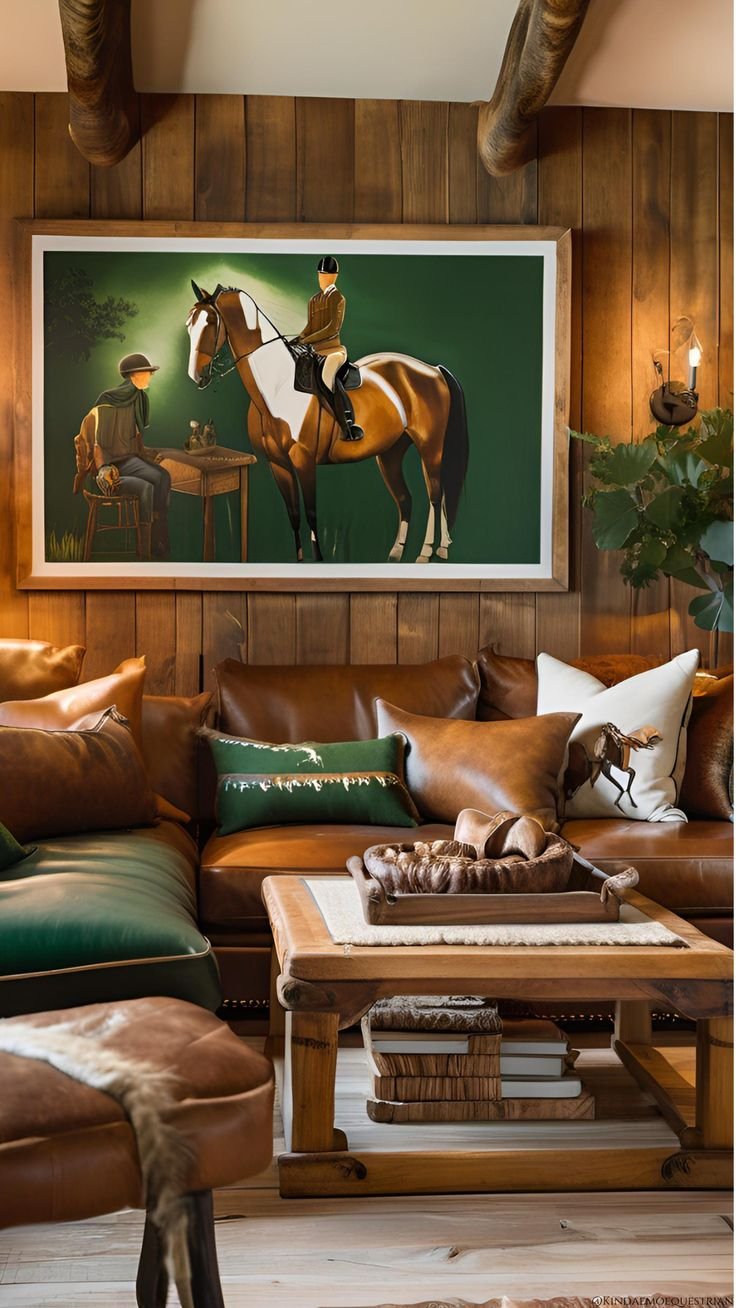

One of the most distinctive signatures of Sara Russell Interiors is her mastery of layering—the deliberate, artful combination of textures, patterns, and objects to craft spaces that feel rich, inviting, and deeply personal. Unlike minimalist designs that prioritize openness, Sara’s approach embraces complexity, turning empty rooms into narratives where every piece tells a story. For homeowners seeking warmth without clutter, this technique is a game-changer.
Why Layering Matters
Layering transforms a house into a home by:
- Adding Visual Interest: Prevents monotony with varied heights, shapes, and finishes.
- Creating Coziness: Soft textiles, plush rugs, and curated decor make large spaces feel intimate.
- Reflecting Personality: Mixes vintage finds, travel mementos, and custom pieces to showcase the homeowner’s journey.
- Balancing Function & Beauty: Each layer serves a purpose—whether it’s a throw blanket for chilly evenings or a statement mirror to amplify light.
Sara’s Layering Formula: 5 Key Elements
Sara breaks down layering into five interwoven components, ensuring harmony amid diversity:
1. Textiles: The Foundation of Comfort
Start with soft layers:
- Rugs: Anchor a seating area with a plush area rug (wool for durability, jute for texture). In open plans, use multiple rugs to define zones.
- Upholstery: Pair a smooth leather sofa with a chunky knit throw and velvet pillows. Contrast matte and shiny fabrics (e.g., linen curtains + silk drapes).
- Blankets & Throws: Drape over chairs or sofas for instant warmth—choose colors that complement the palette.
Example: In a living room, Sara might layer a sisal rug under a sheepskin ottoman, atop which sits a tufted velvet armchair with linen cushions and a fur throw.
2. Furniture: Vary Heights & Styles
Mix functional and decorative pieces:
- Seating: Combine a low-slung sofa with a tall wingback chair and a bench at the foot of the bed.
- Tables: Use nesting tables beside a sofa, plus a round coffee table layered with books and a sculptural vase.
- Storage: Add open shelves (displaying ceramics) beneath closed cabinets (hiding clutter).
Tip: Leave negative space—don’t fill every corner. Let layers breathe.
3. Patterns: Play with Scale & Theme
Patterns add energy—if used thoughtfully:
- Scale Variation: Pair a large floral wallpaper with small geometric prints (e.g., on pillows or curtains).
- Theme Consistency: Stick to one motif (florals, stripes, geometrics) across textiles, art, and accessories.
- Neutral Anchors: Balance bold patterns with solid neutrals (linen, cotton, wool).
Example: A bedroom might feature a botanical-print duvet, striped accent pillows, and a geometric rug—all tied together with neutral linens.
4. Lighting: Cast Layers of Glow
Lighting enhances texture and mood:
- Ambient: Recessed lights or a chandelier for overall brightness.
- Task: Table lamps or sconces for focused light (reading nooks, bedside tables).
- Accent: String lights, candles, or LED strips to highlight artwork or architectural details.
Trick: Use dimmers to adjust intensity—soft light for relaxation, bright light for productivity.
5. Decor & Greenery: The Finishing Touches
Small details tie everything together:
- Art & Mirrors: Hang a gallery wall with mixed frames, or lean leaning mirrors against walls to reflect light.
- Plants: Add life with snake plants, fiddle leaf figs, or trailing vines in ceramic pots.
- Personal Items: Display travel souvenirs, family photos, or handmade ceramics on mantels or shelves.
Pro Tip: Group items in odd numbers (3 vases, 5 books) for visual balance.
Real-Life Example: A Layered Living Room
In a recent project, Sara transformed a stark, empty loft into a layered haven:
- Floor: Sisal rug + smaller wool rug (overlapping for depth).
- Seating: Leather sofa + velvet armchair + woven pouf.
- Textiles: Linen curtains + velvet pillows + fur throw.
- Lighting: Chandelier (ambient) + table lamp (task) + string lights (accent).
- Decor: Gallery wall of abstract art + potted monstera + stacked books.
The result? A space that feels lived-in, luxurious, and uniquely the client’s—proving that layering isn’t chaos; it’s curated comfort.
Try It Yourself: Start Small
Begin with one room (like a bedroom or entryway) and experiment:
- Add a textured throw to your bed/chair.
- Place a small side table next to a larger piece of furniture.
- Hang two pieces of art—one above the other.
- Introduce a plant or candle for warmth.
Remember: Layering is about intention, not excess. Every piece should contribute to the story of your home.