

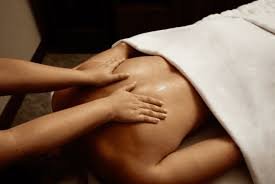
Massage therapy has evolved significantly in recent years, blending centuries-old traditions with modern innovations. In Korea, two styles are currently making waves in the wellness world: Traditional Korean Massage, rooted in age-old techniques, and Modern Fusion 마사지, a contemporary approach that combines global methods. Understanding the differences can help you choose the right experience for your wellness goals.
Traditional Korean Massage: Ancient Healing in Practice
Traditional Korean massage focuses on restoring balance and promoting energy flow throughout the body. It is built on principles of holistic wellness and emphasizes structural alignment, deep muscle release, and rhythmic hand techniques.
Key Features:
-
Energy Pathways: Focuses on improving the body’s natural energy flow for overall harmony.
-
Hands-On Techniques: Uses rhythmic strokes and pressure to relieve tension and restore alignment.
-
Minimal Tools: Relies primarily on the therapist’s hands, with little or no oils or accessories.
-
Therapeutic Benefits: Targets posture correction, chronic tension, and overall body balance.
Why It’s Trending:
Modern wellness enthusiasts are seeking long-term health benefits, not just relaxation. Traditional Korean massage offers a natural way to improve posture, relievdeep-seated tension, and promote holistic well-being.
Modern Fusion Massage: A Contemporary Approach
Modern Fusion Massage combines traditional Korean techniques with global styles such as Swedish, deep tissue, aromatherapy, and stretching. It offers a customizable, multi-sensory experience designed for today’s busy lifestyles.
Key Features:
-
Personalized Sessions: Tailored to client needs, from stress relief to muscle recovery.
-
Enhanced Therapies: Incorporates oils, hot stones, aromatherapy, and other tools.
-
Relaxation Focus: Emphasizes comfort, sensory pleasure, and mental rejuvenation.
-
Trend Appeal: Fits well into luxury spa settings and wellness tourism experiences.
Why It’s Trending:
Clients today want flexibility and indulgence alongside therapy. Modern Fusion Massage provides both relaxation and functional benefits, making it a favorite among young professionals, travelers, and wellness enthusiasts.
Traditional vs. Modern: Quick Comparison
| Feature | Traditional Korean Massage | Modern Fusion Massage |
|---|---|---|
| Focus | Body alignment & energy flow | Relaxation + customized therapy |
| Techniques | Hands-on pressure & rhythmic strokes | Blend of global techniques & tools |
| Tools & Oils | Minimal or none | Aromatherapy, hot stones, oils |
| Ideal For | Posture, chronic tension, energy balance | Stress relief, relaxation, sensory indulgence |
| Experience | Grounded, therapeutic | Luxurious, customizable |
Choosing the Right Style
-
Opt for Traditional Korean Massage if you want deep therapeutic benefits, improved posture, and energy-focused healing.
-
Choose Modern Fusion Massage if you prefer a relaxing, customizable experience that combines multiple techniques for both body and mind.
Many spas now offer hybrid sessions, blending the best of both worlds for maximum wellness and indulgence.
Conclusion
The current trend in Korean massage is not about choosing between tradition and innovation—it’s about integration and personalization. Traditional Korean massage preserves centuries of healing wisdom, focusing on alignment and energy, while Modern Fusion Massage delivers a contemporary, tailored experience for modern lifestyles. Today’s wellness seekers can enjoy the best of both worlds, choosing treatments that relax, heal, and rejuvenate the body and mind.